From oil wealth to programmable collateral.
Gulf capital is no longer watching from the sidelines. The new focus is legal wrappers, custody controls, tokenized property deeds and settlement routes that can survive institutional due diligence.
Saudi Arabia, Dubai, Singapore and Russia are building the regulated rails for stablecoins, tokenized assets, OTC liquidity and cross-border FX settlement.
Stablecoin statutes, RWA mandates, licensed OTC desks and bank collateral programs are changing how cross-border capital prices speed, custody and settlement certainty.
Gulf capital is no longer watching from the sidelines. The new focus is legal wrappers, custody controls, tokenized property deeds and settlement routes that can survive institutional due diligence.
High-net-worth investors and corporate treasuries are tracking , dollar stablecoins, Singapore dollar stablecoins and dirham/riyal rails as a new execution layer between banking, OTC desks and real assets.
Saudi Arabia sees Vision 2030 asset digitization. Dubai sees tax and lifestyle utility. Singapore sees rule-of-law settlement. Russia sees trade survival and ruble liquidity.
When regulation compresses settlement time, spreads become measurable. When banks accept digital assets as collateral, liquidity changes character. That is why institutions read the law before they read the chart.
Saudi Arabia creates tokenized assets, Dubai concentrates OTC liquidity, Singapore clears institutional exits and Russia generates trade-driven stablecoin demand.
Saudi Arabia is building around scale: public investment, property digitization, energy-linked infrastructure and regulated stablecoin settlement. Real estate, energy cash flows and sovereign development assets are moving toward faster, auditable rails.
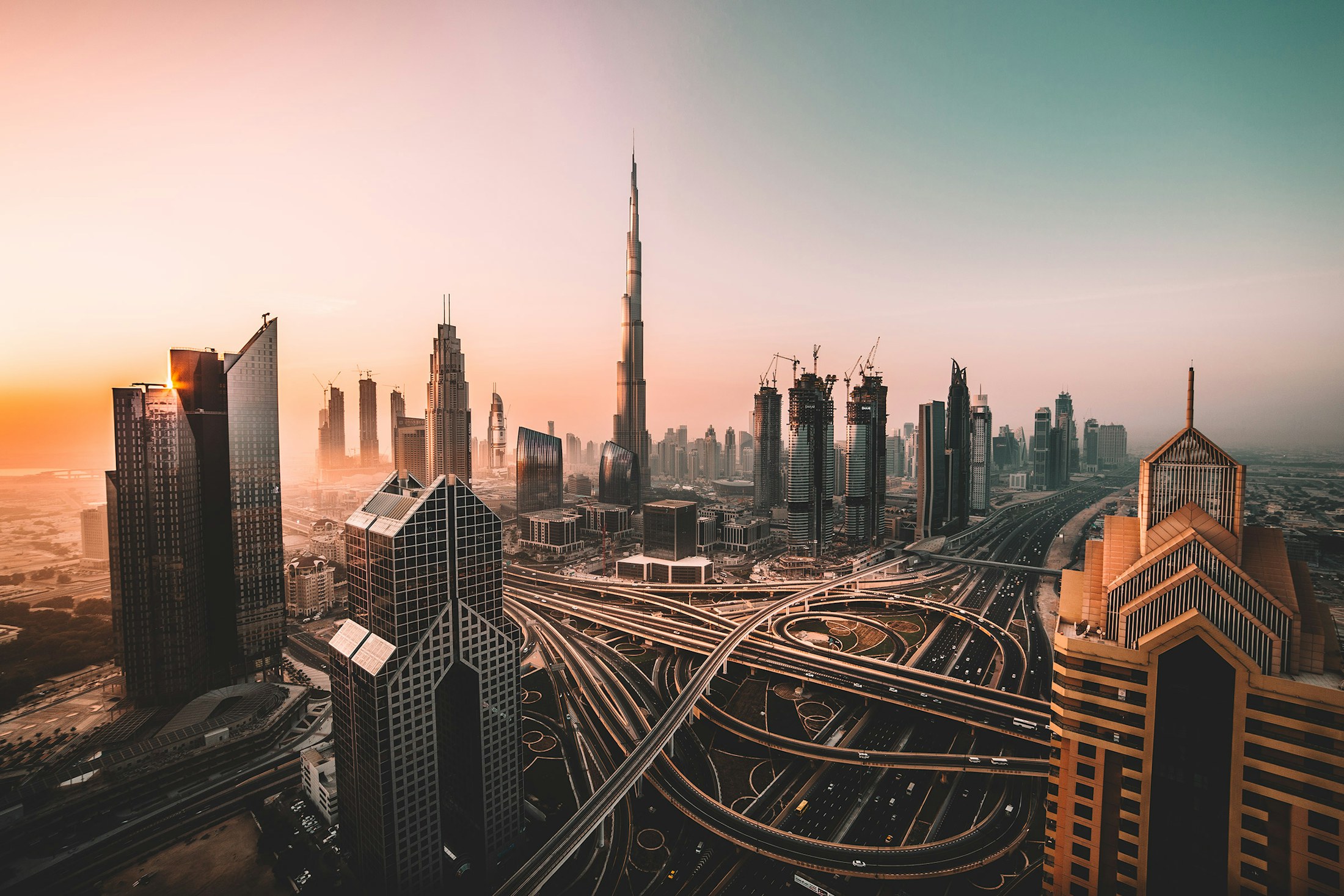
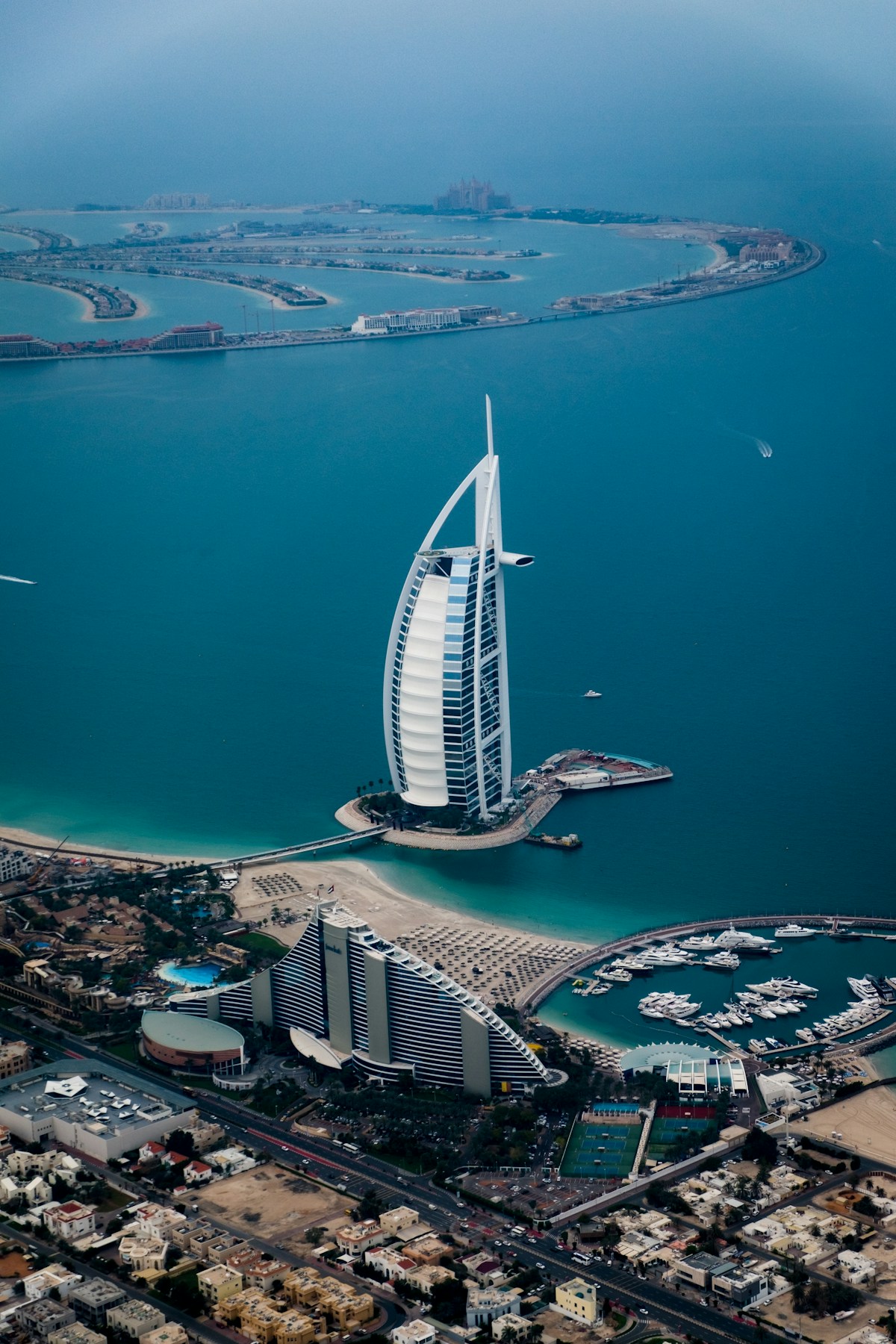
Dubai's advantage comes from visibility: licensed virtual asset regulation, premium real estate, airport retail, private banking and tax positioning all meet in one city. Policy impact now appears across places where capital, travel and luxury consumption already converge.
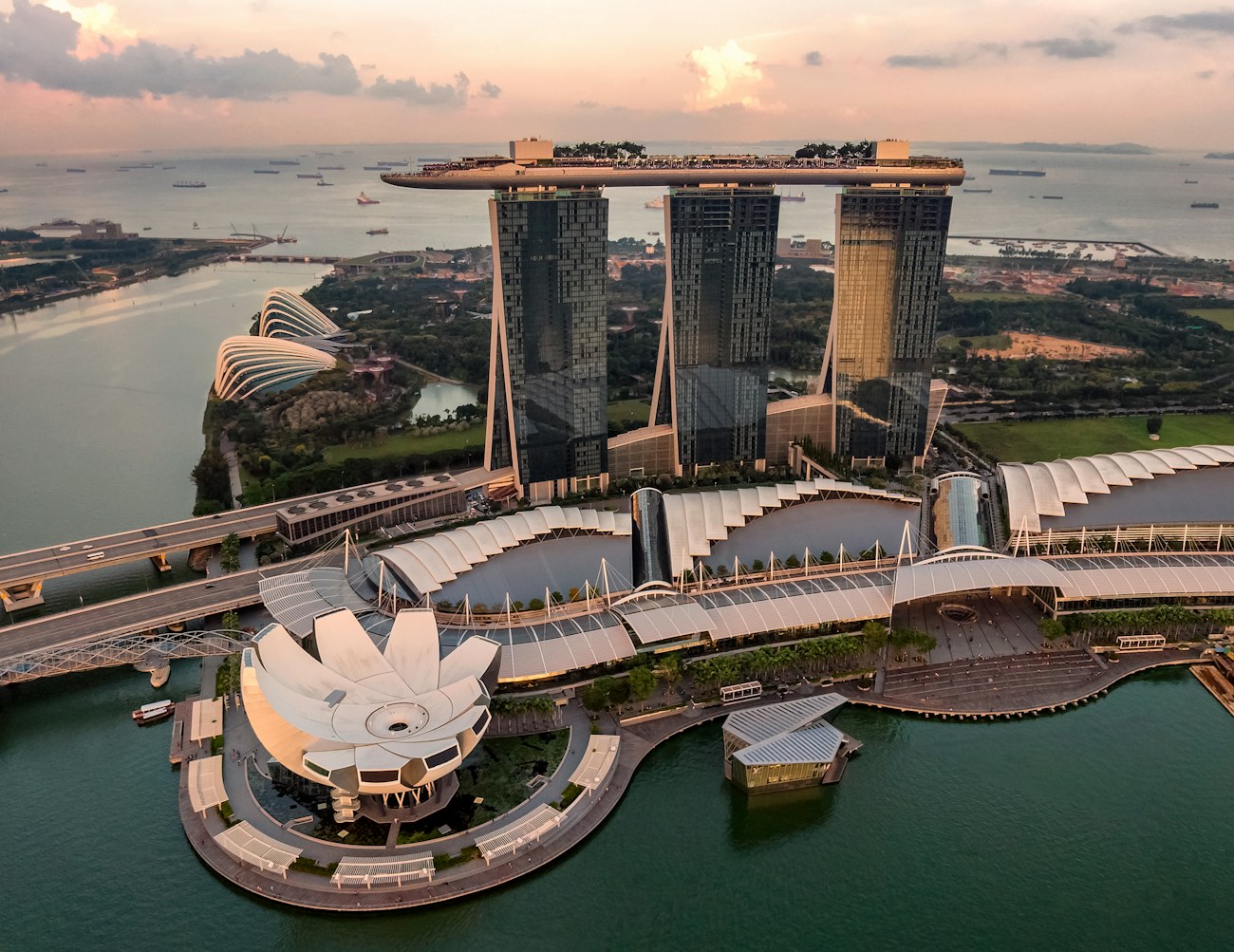
Singapore turns compliance into speed. The single-currency stablecoin framework, bank OTC settlement and global card-network pilots all point to one thesis: regulated money can move faster without abandoning legal certainty.
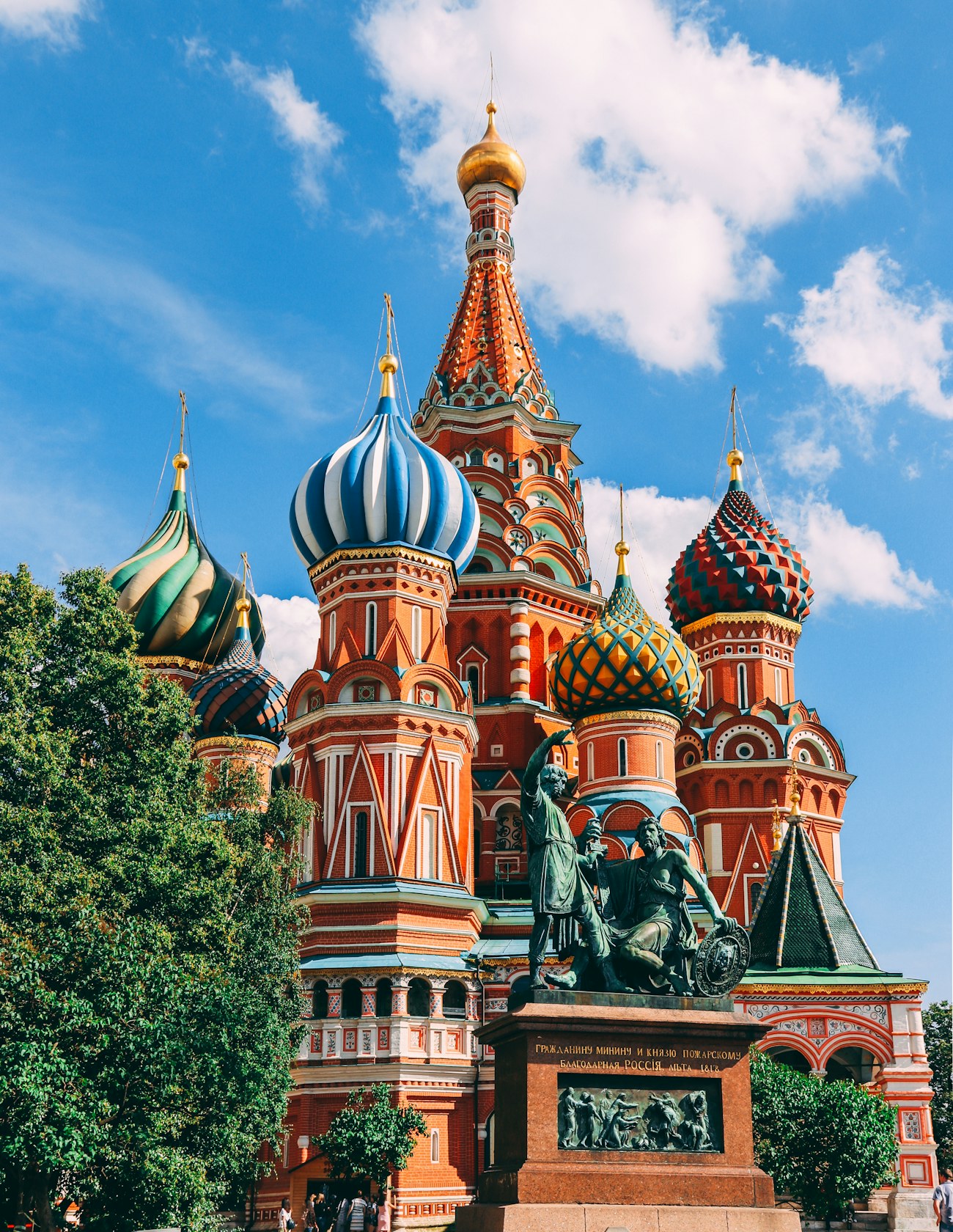
Russia's story is driven by necessity: cross-border trade, sanctions pressure, ruble liquidity and collateral. The important institutional question is whether regulated digital assets can reduce settlement friction for importers, exporters and commodity-linked balance sheets.
Law, banking, tax, events and infrastructure are moving together across the four most watched digital-asset corridors.
New legal framing around property status directs exporters, importers and liquidity desks toward as a settlement bridge under defined rules.
MAS consultation language is read by market participants as a way to reduce duplicate licensing friction for custody, transfer and fiat conversion around approved stablecoins.
Real estate deeds, foreign capital access and stablecoin payment pilots move Saudi tokenization beyond trading screens and into property settlement.
Dubai's expo calendar, tax positioning and licensed OTC infrastructure make the city a regional stage for compliant liquidity, custody and settlement deals.
Official exchanges, local-currency stablecoins, bank-card settlement and Web3 economic zones are turning the old conversion premium into a licensed infrastructure race.
After Russia's September regulatory shift, market reports point to Moscow Exchange and Saint Petersburg Exchange preparing dedicated trading sections for qualified companies and professional participants. The institutional effect is clear: importer demand can move from fragmented OTC pricing into a venue with clearer banking records, execution timestamps and compliance perimeter.
For trade-heavy companies sourcing from China, the Gulf and Asia, the watched route is ruble funding through a bank account, official exchange execution into or other approved digital assets, then cross-border supplier settlement under documented commercial purpose. The market impact is lower settlement uncertainty and a narrower premium between local currency demand and stablecoin liquidity.
Dubai's virtual-asset market is moving beyond dollar-only rails. Local fintech licensing around an AED-backed stablecoin gives the city a native currency instrument for settlement, merchant acceptance, treasury matching and on-chain foreign-exchange quoting. The policy signal matters because Dubai already has private wealth, tourism spend, licensed OTC desks and international business formation in one market.
A dirham stablecoin changes the conversion geometry. Instead of routing every transaction through dollar liquidity first, desks can quote AED stablecoin against , bank dirham and other supported currencies. That makes local pricing sharper for real estate closings, luxury purchases, family office transfers and corporate supplier payments.

Singapore's single-currency stablecoin framework is pulling banks, card networks and custody firms into the same settlement conversation. The next institutional prize is not only trading access. It is the ability to connect compliant stablecoin balances with bank-led card clearing, overseas procurement, travel expenses and enterprise treasury workflows.
When stablecoin balances can clear against traditional card networks, offshore capital gains a familiar exit surface: audited bank accounts, merchant acceptance, card statements and automatic currency conversion. For Singapore, that strengthens its role as the disciplined final clearing point for funds that need both speed and institutional comfort.
Saudi Arabia's Web3 direction is strongest when viewed through national industrial policy. A Riyadh virtual-asset sandbox tied to MCIT, SAMA-style oversight and special-zone incentives would place tokenized energy, property and supply-chain finance inside a controlled economic development environment. The appeal is a cleaner route for foreign capital to study Saudi assets without losing regulatory visibility.
The sandbox concept gives RWA platforms a place to test digital property deeds, project finance tokens, energy-linked receivables and cross-border payment workflows. With PIF-linked capital and 100% foreign ownership narratives in the background, Riyadh is competing to become more than a buyer of Web3 infrastructure. It wants to host the asset base.
The four hubs now resemble one cross-border operating system: Russia and Saudi Arabia create hard settlement demand and tokenized asset supply, Dubai prices liquidity and tax efficiency, Singapore clears bank-grade exits into global accounts and card rails.
Ruble liquidity from importers and commodity-linked companies converts through official or licensed rails into stablecoin settlement for overseas invoices.
RUB / / TradeReal estate, energy projects and supply-chain finance create tokenized collateral that can attract regional and foreign capital into regulated structures.
RWA / Property / EnergyLicensed desks, AED stablecoin rails and tax positioning concentrate quote depth for , dirham liquidity and high-value regional settlement.
AED / / OTCMAS-aligned stablecoin rules, DBS-style OTC settlement and UOB/Mastercard-style clearing give capital a familiar route into bank accounts and global spending.
SCS / Cards / 24-7In 2026, the premium is not only the coin. The premium is the jurisdiction, the license, the tax treatment and the bank that will settle after midnight.
Banks, custodians, sovereign platforms and licensed OTC desks are turning liquidity into a regulated cross-border settlement stack.Exchange efficiency depends on four pressure points: asset supply, execution venue, custody control and local currency demand.

Property, energy and sovereign-linked assets create the supply side of tokenized collateral.

Licensed desks, private wealth, tourism spend and favorable tax narratives concentrate large-ticket conversion demand.

Stablecoin law and institutional banking make Singapore a natural compliance-heavy exit and hedging route.
Saudi RWA programs and Russian trade demand create a reason for large holders to study tokenized collateral and stablecoin settlement.
Dubai's licensed OTC network and tax posture make it a regional place to quote liquidity, custody and local currency execution.
Singapore's regulatory perimeter and 24/7 OTC banking narrative reduce timing risk for institutional stablecoin-to-fiat settlement.
Compliance, audit trails, custody controls and local licensing determine whether a corridor becomes usable for serious capital.
Policy context, institutional mechanics and economic development strategy now sit at the center of serious digital-asset capital allocation.

Tokenization gives governments and large asset owners a new distribution layer. A building, energy project or credit pool can be represented with cleaner ownership records, programmable compliance checks and faster settlement. For investors, the meaningful change is not a button that says buy. It is a market structure where due diligence, custody and transfer rules can be embedded into the asset lifecycle.
Large-ticket OTC flow is shifting toward venues with clear licensing, final settlement, transparent tax treatment and banking relationships. Quote depth now depends on banking access as much as liquidity.
Arbitrage only becomes institutionally interesting when settlement speed, liquidity depth and legal treatment are clear enough to price. Russia's ruble demand, Dubai's OTC concentration, Singapore's bank rails and Saudi's asset creation are different parts of that equation.
Riyadh sells national development scale. Dubai sells liquidity and lifestyle infrastructure. Singapore sells legal precision. Moscow sells alternative settlement routes for trade-heavy balance sheets.
Licensed venues, issuer obligations, custody controls, sanctions constraints, tax treatment and bank settlement now decide whether a corridor can scale beyond a small trade.